by:
03/09/2026
0
Daily Devotion: March 9, 2026
Hosea Chapter 4 - The Danger of "I Don't Know"
Scripture Focus: Hosea 4:6 (NKJV)
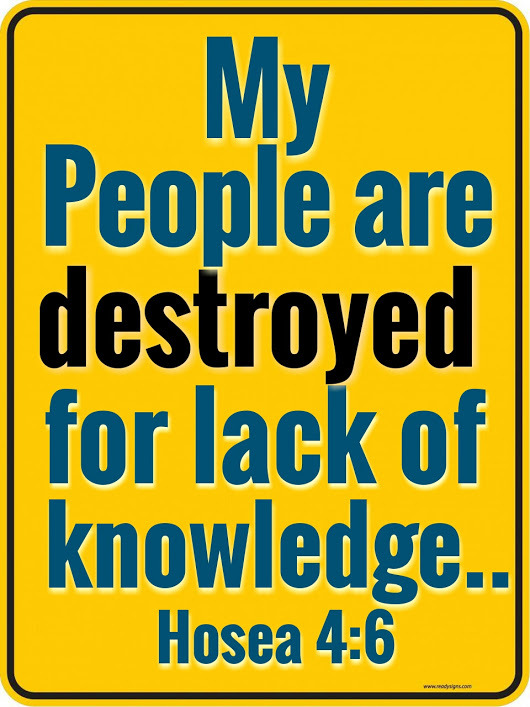 "My people are destroyed for lack of knowledge. Because you have rejected knowledge, I also will reject you from being priest for Me; Because you have forgotten the law of your God, I also will forget your children."
In our modern world, we often think of ignorance as bliss. But in the eyes of God, a lack of knowledge is disastrous. Hosea 4:6 is a sober warning: "My people are destroyed for lack of knowledge." The Israelites weren't destroyed because they couldn't find a Bible; they were destroyed because they rejected the knowledge of God and His ways.
The Hebrew word for "knowledge" here is da'ath, which implies intimate, experiential knowledge, not just intellectual facts. The people of Israel were going through the motions of religion—offering sacrifices, acting religious, but their hearts were far from God. They chose the fleeting pleasures of idols and sinful lifestyles over a deep relationship with the Creator.
When we ignore God's Word, we lose our compass, leading to personal, family, and societal brokenness. The antidote is not just studying about God but knowing Him. True knowledge of God produces righteousness, mercy, and faithfulness. Are you pursuing intimate knowledge of God through His Word, or are you operating in a "lack of knowledge"?
Verse by Verse: Hosea Chapter 4
I. The Indictment: No Knowledge of God (Hosea 4:1-3)
- Observations: The LORD has a "controversy" or lawsuit (rib in Hebrew, meaning a legal charge) with the inhabitants of the land. The charges are a lack of faithfulness (steadfast love), mercy, and knowledge of God.
- Hosea 4:1-2: Several commentaries note the "no knowledge of God" refers to the minds of the people, leading to outward sins like swearing, lying, murder, stealing, and adultery.
- Hosea 4:3: The ecological impact: the land mourns and inhabitants (beasts, birds, fish) waste away because of human sin.
- Cross-References: Isaiah 1:18, Micah 6:2 (God’s controversy); Deuteronomy 28:15-68 (Disobedience consequences).
II. The Corruption of Leadership (Hosea 4:4-10)
- Observations: The people are unruly, like those who "contend with the priest". The priests, who were supposed to lead, are causing the people to sin.
- Hosea 4:6: "My people are destroyed for lack of knowledge." Knowledge (Hebrew: da'ath): intimate relationship. Rejected knowledge: They actively ignored God's law.
- Hosea 4:8: Commentaries indicate the priests were happy to see people sinning because they ate the sin offerings (bribes/portions of the sacrifices).
- Hosea 4:9: "Like people, like priest"—both are corrupted and will be punished.
- Hosea 4:10: They will "eat but not be satisfied" a consequence of trying to satisfy their souls apart from God
I. The Indictment (Hosea 4:1–3)
Word Study:
- Truth ('emeth): Stability, certainty, and trustworthiness.
- Mercy/Kindness (chesed): Covenant loyalty; an abiding, active love rather than mere emotion.
- Knowledge (da'ath): Experiential, intimate awareness (like a marriage), not just intellectual data.
- Cross References:
- Jeremiah 4:22: "My people are foolish; they know me not... they are 'wise'—in doing evil!"
- Micah 6:2: The Lord has an indictment against His people.
II. The Failure of Leadership (Hosea 4:4–10)
- Observation: God identifies the priests as the root of the rot. They "feed on the sin of my people," likely meaning they profited from the sin offerings and bribes.
- Word Study:
- Reject (ma'as): To willfully refuse or despise.
- Like people, like priest: A proverb indicating that leadership and the laity sink together when the Word is ignored.
- Cross References:
- Malachi 2:7: The lips of a priest should guard knowledge, but they had turned aside.
- Leviticus 26:26: "You shall eat and not be satisfied" (Parallel to Hosea 4:10).
III. Spiritual Adultery (Hosea 4:11–14)
- Observation: The people consult "sticks" (divination) and worship under trees for the "pleasing shade". Physical immorality is the outward fruit of their inward "spirit of whoredom".
- Word Study:
- Spirit of Whoredom (ruach zenunim): An internal compulsion or inclination toward unfaithfulness.
- Idols (atsabim): Literally "pains" or "sorrows," highlighting the futility of false gods.
- Cross References:
- Deuteronomy 23:17: Prohibits shrine prostitution, which Israel was now practicing.
- Romans 1:28: God "gave them up" to a debased mind because they did not retain the knowledge of God.
IV. Warning to Judah (Hosea 4:15–19)
- Observation: God warns the Southern Kingdom (Judah) not to follow Israel (Ephraim) into "Beth-aven".
- Context: Beth-aven means "House of Wickedness," a mocking pun by Hosea for Bethel ("House of God") because it had become a center for idol worship.
- Key Phrase: "Ephraim is joined to idols; let him alone." (Hosea 4:17). This is one of the most sobering judgments: when God stops correcting a person and leaves them to their own desires.
Prayer: Lord, forgive me for the times I have neglected Your Word. I don’t just want to know about You; I want to know You intimately. Open my heart to Your truth, that I may not be destroyed, but thrive in Your righteousness. I pray this in the name of Jesus Christ, Amen.


 Live Steaming

 Groups

0 Comments on this post: